《欢歌》(A Song of Joys )是一首宏大、饱满的长篇自由诗,出自沃尔特·惠特曼(Walt Whitman)的诗集《草叶集》(Leaves of Grass),一首歌颂存在、自然、劳动与生命活力的狂想曲。
欢乐(Joys)作为诗的核心不是某一种具体的快乐,体现的是生命本身具有的无穷多种的精神上的欢愉。劳动、运动、冒险、竞争、身体、自然、社会活动,都可以成为生命的欢乐。
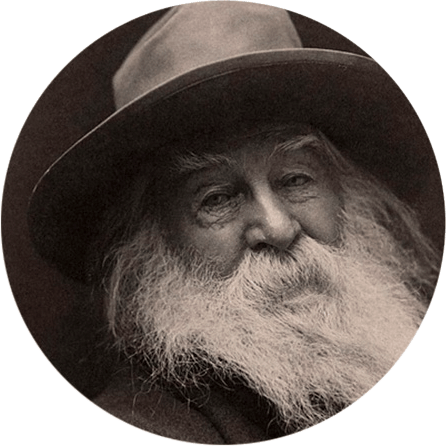
A SONG OF JOYS.
by Walt WhitmanO to make the most jubilant song!
Full of music—full of manhood, womanhood, infancy!
Full of common employments—full of grain and trees.
作首最欢腾的歌吧!
满载旋律——满载着男性、女性与婴孩!
满载日常的劳作——满载谷物和树木。
赏析:诗篇开篇即奠定了整首诗的狂喜氛围。惠特曼不加遮掩地宣告,生命本身即是一场值得赞美的欢歌。日常的劳作(common employments)在带有超验主义色彩的惠特曼笔下获得了神圣的地位。从田野里的谷物到拔地而起的树木,平凡的生产与自然的勃勃生机融为一体,一同构成了这首颂歌最坚实的基底。
O for the voices of animals—O for the swiftness and balance of fishes!
O for the dropping of raindrops in a song!
O for the sunshine and motion of waves in a song!
O the joy of my spirit—it is uncaged—it darts like lightning!
It is not enough to have this globe or a certain time,
I will have thousands of globes and all time.
啊,愿有动物的叫声——有鱼儿的迅疾与平衡!
愿歌中有雨滴落下!
愿歌中有阳光和波浪律动!
啊,我灵魂的欢乐——已脱出牢笼,飞驰如电!
仅有这一颗地球,仅有某一段时间,还是不够,
我要拥有成千上万的星球与全部的时间。
赏析:在诗人的视野中,诗歌是盛装着整个宇宙生命的容器。展现了诗人无边无际的精神疆域。
仅占有眼前这颗地球(this globe)或某个具体的瞬间是远远不够的,强大的个体灵魂必然眺望着辽阔的宇宙空间,沿着无限的时间长河追求永恒。
好的,已加上引用符号,且中英文之间不加空行:
O the engineer's joys! to go with a locomotive!
To hear the hiss of steam, the merry shriek, the steam-whistle, the laughing locomotive!
To push with resistless way and speed off in the distance.
火车司机的欢乐啊!随车头驰骋!
听听那蒸汽的嘶鸣,欢快的尖啸、蒸汽汽笛,那欢笑的火车!
势不可挡地向前推进,驶向远方。
赏析:在19世纪工业革命的浪潮中,大多数保守诗人将火车与蒸汽机视为破坏自然的噩梦,惠特曼则将钢铁巨兽的咆哮,看成是鲜活生命的欢歌。赞美人类用技术重塑时空的伟大力量。
O the gleesome saunter over fields and hillsides!
The leaves and flowers of the commonest weeds, the moist fresh stillness of the woods,
The exquisite smell of the earth at daybreak, and all through the forenoon.
啊,在田野与山坡上欢快地漫步!
最寻常野草的叶与花,树林中湿润而清新的静谧
黎明时分大地的芬芳,弥漫整个上午。
赏析:惠特曼继承了超验主义“万物皆有灵”的精神,将目光投向“最寻常的野草”(commonest weeds)。在传统的古典审美中,只有玫瑰或兰花值得入诗,但在惠特曼眼中,路边无名的野草与高耸的树木一样,都饱含着大自然平等的创造力与神圣感。诗句不仅呈现了视觉图景,更激活了立体化的感官。
O the horseman's and horsewoman's joys!
The saddle, the gallop, the pressure upon the seat, the cool gurgling by the ears and hair.
啊,男女骑手的欢乐!
那马鞍,那飞奔,那鞍座的压力,那耳畔与发丝间清凉的潺潺之声。
赏析:诗人捕捉到骑马时身体的真实触感。Gurgling(水流的潺潺声)本是用于形容液体的,惠特曼却用来修饰疾驰时呼啸而过的风。
O the fireman's joys!
I hear the alarm at dead of night,
I hear bells, shouts! I pass the crowd, I run! The sight of the flames maddens me with pleasure.
啊,消防员的欢乐啊!
我在深夜听见警报,
我听见警铃,听见呼喊!我穿过人群,狂奔!
火焰的景象,使我欣喜若狂。
赏析:惠特曼的描写极其大胆,将熊熊烈火视作一种吞噬一切、不可驯服的原始力量;而置身于火场、与毁灭性的力量抗争并拯救生命的体验,让灵魂达到了近乎狂乱(
maddens)的极限欢愉。
O the joy of the strong-brawn'd fighter, towering in the arena in perfect condition, conscious of power, thirsting to meet his opponent.
啊,那肌肉强健的斗士的欢乐啊!
状态绝佳,昂然挺立于竞技场中,
感受自身的力量,渴望一战。
赏析:强者的欢愉绝非来自安逸或逃避,而是来自于主动寻找同等强大的对手,在激烈的对决与力量碰撞中撕裂极限、证实自我。
O the joy of that vast elemental sympathy which only the human soul is capable of generating and emitting in steady and limitless floods.
啊,那种浩瀚而原初的共情带来的欢乐!唯有人类的灵魂能够将其产生,如持续无尽的洪流倾泻。
赏析:从驾驶火车、斗士的搏击、消防员的狂喜,到此处对“共情”的赞美,惠特曼揭示了快乐的源泉——它们全都是人类灵魂向外辐射的能量、并与世界建立强有力连接的体现,呼应了爱默生与超验主义的核心信念:人的个体灵魂即是微观的宇宙,当它释放出“无限的洪流”时,便打破了自我与世界的界限,达到了与万物同频和一的境界。

O the mother's joys!
The watching, the endurance, the precious love, the anguish, the patiently yielded life.
O the joy of increase, growth, recuperation,
The joy of soothing and pacifying, the joy of concord and harmony.
啊,母亲的欢乐!
守候,忍耐,至珍的爱,阵痛,以及耐心承受、甘愿奉献的生命。
啊,那增长、成长、恢复的欢乐!
安抚与平息的欢乐,和谐与融洽的欢乐。
赏析:母性的欢乐之所以崇高,恰恰是因为它包含了巨大的忍耐(endurance)与牺牲。母性孕育生命的同时,更是一种养育与修复的力量。从婴儿的诞生(increase)、成长(growth),到生命的抚慰与元气的恢复,母性构成了自然界中最核心的生命延续的力量。诗篇在此展现出一种巨大的安宁与包容。Concord(心意相通、和睦)与 Harmony(和谐)将前面所有的张力与喧嚣收束归一,表达了母性作为抚平创伤、建立宇宙秩序与和谐的终极力量。
O to go back to the place where I was born,
To hear the birds sing once more,
To ramble about the house and barn and over the fields once more,
And through the orchard and along the old lanes once more.
啊,回到我的出生之地,
再一次听鸟儿歌唱,
再一次漫步在
屋舍、谷仓之间,走过田野,
再一次穿过果园,沿着那些旧日的小路。
赏析:连续使用了三次 "once more"(再一次)。这种复沓(Anaphora)形成了如摇篮曲或潮汐般绵延的节奏,将前文所有狂野、崇高、奔放的生命能量(如狂奔的列车、猛烈的火场与搏击),瞬间束拢为一种带有深情与怀旧感(Nostalgia)的精神回溯。
O to have been brought up on bays, lagoons, creeks, or along the coast,
To continue and be employ'd there all my life,
The briny and damp smell, the shore, the salt weeds exposed at low water,
The work of fishermen, the work of the eel-fisher and clam-fisher;
I come with my clam-rake and spade, I come with my eel-spear,
Is the tide out? I Join the group of clam-diggers on the flats,
I laugh and work with them, I joke at my work like a mettlesome young man;
In winter I take my eel-basket and eel-spear and travel out on foot on the ice—I have a small axe to cut holes in the ice,
Behold me well-clothed going gayly or returning in the afternoon, my brood of tough boys accompanying me,
My brood of grown and part-grown boys, who love to be with no one else so well as they love to be with me,
By day to work with me, and by night to sleep with me.
啊,若能从小在海湾、潟湖、小溪,或沿海一带长大,
一生都在那里生活、在那里谋生,
闻着咸腥而潮湿的气息,看着海岸,看着退潮时裸露出来的海草,
看渔夫们劳作,看捕鳗和挖蛤蜊的人劳作;
我带着我的耙蛤耙和铲子而来,我带着我的捕鳗叉而来,
潮水退去?我便加入滩涂上挖蛤蜊的人群,
我和他们一边说笑一边干活,像个精神抖擞的年轻人;
冬天,我带上捕鳗篓和捕鳗叉,徒步走上冰面远行——我还带着一把小斧头,好在冰上凿开冰洞,
看吧,我穿戴整齐,兴高采烈地前往,下午归来,我那一群健壮的小伙子跟在我的身边,
我这一群已经长大或正在长大的小伙子,他们最喜欢和我在一起,胜过和其他任何人
白天和我一起干活,夜里和我一起安睡。
Another time in warm weather out in a boat, to lift the lobster-pots where they are sunk with heavy stones, (I know the buoys,)
O the sweetness of the Fifth-month morning upon the water as I row just before sunrise toward the buoys,
I pull the wicker pots up slantingly, the dark green lobsters are desperate with their claws as I take them out, I insert wooden pegs in the 'oints of their pincers,
又有一次,在温暖的时节,我乘着船,去提起那些沉在海底、用沉重石块压住的龙虾笼,(我认得那些浮标,)
那五月清晨水面上的甜美!日出之前,我划着船驶向那些浮标,
我斜着把柳条编的笼子提上来;深绿色的龙虾挥动着钳子拼命挣扎,我把它们取出来,在它们钳子的关节处插入木楔,
赏析:这种对19世纪捕鱼技术的精确刻画,让诗歌充满了沉甸甸的真实生活质感。
I go to all the places one after another, and then row back to the shore,
There in a huge kettle of boiling water the lobsters shall be boil'd till their color becomes scarlet.
我一处接着一处前往,然后划船回到岸边,
在那里,将龙虾放入一口巨大的沸水锅中,煮至猩红。
Another time mackerel-taking,
Voracious, mad for the hook, near the surface, they seem to fill the water for miles;
Another time fishing for rock-fish in Chesapeake bay, I one of the brown-faced crew;
Another time trailing for blue-fish off Paumanok, I stand with braced body,
My left foot is on the gunwale, my right arm throws far out the coils of slender rope,
In sight around me the quick veering and darting of fifty skiffs, my companions.
有一次,去捕鲭鱼,
它们贪婪无比,疯狂咬钩,游在水面附近,仿佛绵延数英里的水面都被它们填满;
有一次,在切萨皮克湾捕岩鱼,我也是那群晒得黝黑的船员中的一员;
又有一次,在帕曼诺克海域拖钓蓝鱼,我稳住身体站立,
左脚踩在船舷上,右臂将一圈圈细长的绳索远远甩出去,
在我周围,五十只小艇游弋、穿梭,那些都是我的同伴。
O boating on the rivers,
The voyage down the St. Lawrence, the superb scenery, the steamers,
The ships sailing, the Thousand Islands, the occasional timber-raft and the raftsmen with long-reaching sweep-oars,
The little huts on the rafts, and the stream of smoke when they cook supper at evening.
啊,在河上泛舟,
沿着圣劳伦斯河顺流而下的航行,
景色壮丽,还有汽船,
航行的船只,千岛群岛,偶尔出现的木筏,以及那些用长柄大桨划动木筏的筏工,
木筏上的小木屋,还有傍晚他们做晚饭时升起的一缕缕炊烟。
赏析:千岛群岛,指圣劳伦斯河上的千岛群岛,是实际的地名。
(O something pernicious and dread!
Something far away from a puny and pious life!
Something unproved! something in a trance!
Something escaped from the anchorage and driving free.)
(啊,某种有害而可怖之物!
某种远离孱弱与虔诚生活之物!
某种未被证实之物!
某种处于恍惚与狂热中之物!
某种挣脱停泊之处、自由漂行之物。)
赏析:惠特曼在此揭示了所有劳作与漫游背后的内核——对平庸、虔诚、被社会道德压抑的生活的反叛(far away from a puny and pious life)。生命真正的欢愉,来自于像“挣脱锚链的船只(escaped from the anchorage)”一样,冲入未知的荒野,获得彻底、无拘无束的自由。
O to work in mines, or forging iron,
Foundry casting, the foundry itself, the rude high roof, the ample and shadow'd space,
The furnace, the hot liquid pour'd out and running.
啊,在矿中劳作,或锻造钢铁,
铸造,铸造厂本身,那简陋而高耸的屋顶,那宽阔而幽暗的空间,
那熔炉,那炽热的熔液倾泻而出,奔流不止。
O to resume the joys of the soldier!
To feel the presence of a brave commanding officer—to feel his sympathy!
To behold his calmness—to be warm'd in the rays of his smile!
To go to battle—to hear the bugles play and the drums beat!
To hear the crash of artillery—to see the glittering of the bayonets and musket-barrels in the sun!
啊,重温那属于士兵的欢乐!
去感受一位英勇统帅的亲临——去感应他由衷的关切!
去仰望他的从容——在他微笑的光辉中里感受温暖!
去跨入沙场——去听号角高亢、战鼓擂响!
去听巨炮撕裂空气的轰鸣——去目睹刺刀与枪管在烈日下闪闪发光!
To see men fall and die and not complain!
To taste the savage taste of blood—to be so devilish!
To gloat so over the wounds and deaths of the enemy.
目睹人们倒下、死去,而绝不发出一声怨言!
品尝鲜血的野蛮滋味——犹如魔鬼一般!
如此幸灾乐祸地观望敌人的伤亡。
赏析:如果说前面赞美火车司机与自然漫步是“生命的欢乐”,那么这里对杀戮与血腥的描写,则展现了惠特曼极其独特的超验主义哲学与“全纳(Inclusive)”生死观:欢乐不等于纯粹的善良: 在惠特曼看来,“欢乐(Joys)”不仅仅是平静与甜蜜,更是一种生命能量极度释放与膨胀的状态。战争爆发出的极度激情、生存本能以及对死亡的无畏,同样是生命力达到巅峰的一种狂暴。拒绝伪善,直面真实的生命全貌: 惠特曼不愿只歌颂花草与日出而割裂战争的真实。他将这种“恶魔般”的狂喜(to be so devilish)纳入诗篇,正是为了完整地拼凑出人类肉体与灵魂所能体验的极致状态。
O the whaleman's joys! O I cruise my old cruise again!
I feel the ship's motion under me, I feel the Atlantic breezes fanning me,
I hear the cry again sent down from the mast-head, There—she blows!
Again I spring up the rigging to look with the rest—we descend, wild with excitement,
I leap in the lower'd boat, we row toward our prey where he lies,
We approach stealthy and silent, I see the mountainous mass, lethargic, basking,
I see the harpooneer standing up, I see the weapon dart from his vigorous arm;
O swift again far out in the ocean the wounded whale, settling, running to windward, tows me,
Again I see him rise to breathe, we row close again,
I see a lance driven through his side, press'd deep, turn'd in the wound,
Again we back off, I see him settle again, the life is leaving him fast,
As he rises he spouts blood, I see him swim in circles narrower and narrower, swiftly cutting the water—I see him die,
He gives one convulsive leap in the centre of the circle, and then falls flat and still in the bloody foam.
啊,捕鲸人的欢乐!啊,我再度踏上我昔日的航程!
我感受着身下船只的起伏,感受着大西洋的微风拂过脸庞,
我再次听见桅杆顶端传来的高呼——看啊,它在喷水!
我再次跃上桅索,与众人一同眺望——我们下来时,喜难自禁,
我跳入降下的捕鲸艇,我们划向浮在水中的猎物,
我们悄无声息地潜近,我看见那如山峦般庞大的身躯,昏沉懒散地沐浴着阳光,
我看见标枪手站起身来,看见标枪从他强健的臂膀间猛然掷出;
啊,迅速地,那受创的巨鲸在辽阔的大洋中再次下沉,迎风狂奔,拖着我们的猎艇疾驰,
我再次看见它浮出水面呼吸,我们再次靠近,
我看见长矛刺入它的侧肋,深深扎入,在伤口中剧烈绞动,
我们再次倒桨后退,我看见它再次下沉,生命正从它体内飞速流逝,
当它再次浮起时,它喷出鲜血,我看见它游动的圆圈越来越小、越来越紧,迅猛地撕裂水面——我亲眼目睹它的死去,
它在圆心爆发出一记痉挛般地猛烈跃起,随后平躺着倒下,在血红的泡沫中静止不动。
O the old manhood of me, my noblest joy of all!
My children and grand-children, my white hair and beard,
My largeness, calmness, majesty, out of the long stretch of my life.
啊,我老年的男子气概,我所有欢乐中最崇高的欢乐!
我的孩子与后辈,我雪白的头发与胡须,
那历经漫长岁月沉淀后,所焕发出的辽阔、沉静与威严。
赏析:这段诗句构成了《欢歌》中极具分量的精神转折点——从对外在物质世界与肉体劳作的拥抱,正式迈入对内在精神秩序与生命全景(Whole Lifecycle)的终极赞美。
O ripen'd joy of womanhood! O happiness at last!
I am more than eighty years of age, I am the most venerable mother,
How clear is my mind—how all people draw nigh to me!
What attractions are these beyond any before? what bloom more than the bloom of youth?
What beauty is this that descends upon me and rises out of me?
啊,女性生命成熟的欢乐!啊,终于到来的幸福!
我已年逾八十,我是最受尊崇的母亲,
我的心智何等明澈——众人都向我靠拢!
这是何等超越以往任何岁月的魅力?这是何等胜过青春芳华的绽放?
这是何等的美,降临于我,又从我自身升起?
赏析:惠特曼在前一段赞美了男性的暮年尊严(old manhood),紧接着在此将笔触赋予了八十岁老妇人的神采奕奕。在传统审美中,女性的美往往被窄化为年轻与肉体;惠特曼将八十岁的暮年赞颂为“成熟的欢愉(ripen'd joy)”,甚至直言这种生命的绽放“胜过青春芳华(more than the bloom of youth)”。开始时的“我”只是一个观察者:听见动物,看见自然,我感受身体。然后“我”进入各种人的生活:我是农夫,我是水手,我是捕鲸人,我是士兵,我是消防员,我是工人我是骑手,我是老人...我的身份在不断进行扩张。这一点,很有爱默生思想的影子——每个人,其实只是一个共同体的分化,如同手指相互独立,但又是一个整体。
O the orator's joys!
To inflate the chest, to roll the thunder of the voice out from the ribs and throat,
To make the people rage, weep, hate, desire, with yourself,
To lead America—to quell America with a great tongue.
啊,演说者的欢乐!
去挺起胸膛,让声音的雷鸣从肋骨与喉咙深处滚滚而出,
去让民众与你一同狂怒、流泪、憎恨、渴望,
去引领美国——用雄辩之舌平息美国。
赏析:演说的欢愉不仅来自于表达,更来自于对群体情感的完全同频与驾驭。通过连续的动词排比(狂怒、流泪、憎恨、渴望),惠特曼展现了演说者如何打破个体之间的隔阂,将成千上万听众的灵魂熔铸成一个统一的情感共同体(with yourself)。
O the joy of my soul leaning pois'd on itself, receiving identity through materials and loving them, observing characters and absorbing them,
My soul vibrated back to me from them, from sight, hearing, touch, reason, articulation, comparison, memory, and the like,
The real life of my senses and flesh transcending my senses and flesh,
My body done with materials, my sight done with my material eyes,
Proved to me this day beyond cavil that it is not my material eyes which finally see,
Nor my material body which finally loves, walks, laughs, shouts, embraces, procreates.
啊,那是我灵魂的欢乐——它笃定地依恃着自身,在物质世界中获取认同并热爱着它们,观测着万物的特质并将它们吸纳,
我的灵魂从它们那里,从视觉、听觉、触觉、理性、语言、比较、记忆等一切感官中,获得回响,
我感官与肉身的真实生命,正超越着我的感官与肉身,
当我的肉身脱离了物质,当我的所见脱离了肉眼,
今日向我毋庸置疑地证明:最终看见的,绝非我来自我的一双肉眼,
绝非仅以我的肉身最终去爱、去行走、去大笑、去呐喊、去拥抱、去繁衍。
赏析:惠特曼并未否定物质世界,反而认为灵魂是在与“物质(materials)”的相互作用中确认自我身份的。视觉、触觉、理性与记忆,是灵魂向外探索的触角;而万物将能量“震荡回馈(vibrated back)”给灵魂,构成了感官体验的终极闭环。这是整首《欢歌》最核心的哲理飞跃。肉体的感官(senses and flesh)只是媒介,真正的生命(real life)借由肉体体验世间万物,却又最终超越了肉体的局限。惠特曼在此给出了确凿无疑(beyond cavil)的超验论断:看、爱、拥抱、繁衍,这些表面上由肉体完成的动作,其背后的终极驱动者与承载者,永远是那个独立、永恒、与宇宙同频的灵魂主体。
O the farmer's joys!
Ohioan's, Illinoisian's, Wisconsinese', Kanadian's, Iowan's, Kansian's, Missourian's, Oregonese' joys!
To rise at peep of day and pass forth nimbly to work,
To plough land in the fall for winter-sown crops,
To plough land in the spring for maize,
To train orchards, to graft the trees, to gather apples in the fall.
啊,农夫的欢乐!
俄亥俄人、伊利诺伊人、威斯康星人、加拿大人、爱荷华人、堪萨斯人、密苏里人、俄勒冈人的欢乐!
在晨光初露时破晓即起,矫捷地迈向劳作,
秋日翻耕土地,以备播种过冬的作物,
春日翻耕土地,以备播种玉米,
整枝果树,嫁接树木,在秋时采摘苹果。
O to bathe in the swimming-bath, or in a good place along shore,
To splash the water! to walk ankle-deep, or race naked along the shore.
O to realize space!
The plenteousness of all, that there are no bounds,
To emerge and be of the sky, of the sun and moon and flying clouds, as one with them.
啊,去游泳池里,或是沿着海岸找一片绝佳的水域畅游!
去飞溅浪花!去漫步在没过脚踝的水中,或是赤裸着沿海岸线狂奔。
啊,去感悟空间的辽阔!
去感悟万物的充盈,感悟那无边无际,
去破水而出,融入天空,融入日月与飞云,与它们合而为一。
赏析:脱去社会文明的衣冠束缚,让肌肤直接亲吻水流、沙滩与空气,重返生命最初、最纯真的原始状态。
O the joy a manly self-hood!
To be servile to none, to defer to none, not to any tyrant known or unknown,
To walk with erect carriage, a step springy and elastic,
To look with calm gaze or with a flashing eye,
To speak with a full and sonorous voice out of a broad chest,
To confront with your personality all the other personalities of the earth.
啊,像男人那般的欢乐!
不对任何人卑躬屈从,不向任何人让步,
绝不向任何已知或未知的暴君屈膝,
以挺拔的姿态行走,步伐矫健而富有弹性,
用沉静的目光注视,或用闪烁的双眸凝视,
从宽阔的胸膛深处,发出充沛而洪亮的声音,
用你自身的人格,面对世间所有其他人格。
Knowist thou the excellent joys of youth?
Joys of the dear companions and of the merry word and laughing face?
Joy of the glad light-beaming day, joy of the wide-breath'd games?
Joy of sweet music, joy of the lighted ball-room and the dancers?
Joy of the plenteous dinner, strong carouse and drinking?
你可懂得青春那绝妙的欢乐?
那挚友亲伴的欢乐、欢快的话语与笑脸盈盈的欢乐?
那朗照万物、阳光明媚之日,以及场地开阔、酣畅淋漓的体育竞技的欢乐?
那甜美音乐的欢乐、灯火通明的舞厅与舞者的欢乐?
那丰盛晚宴、纵情狂欢与畅饮的欢乐?
赏析:在惠特曼的哲学体系中,这些看似纯粹享乐主义(Hedonistic)的青春欢乐——宴饮、舞蹈、竞技与狂欢——绝非肤浅的放纵,而是生命力(Vitality)在肉体与世俗关系中的喷涌,是灵魂在物质世界中不可或缺的重要体验。
Yet O my soul supreme!
Knowist thou the joys of pensive thought?
Joys of the free and lonesome heart, the tender, gloomy heart?
Joys of the solitary walk, the spirit bow'd yet proud, the suffering and the struggle?
The agonistic throes, the ecstasies, joys of the solemn musings day or night?
Joys of the thought of Death, the great spheres Time and Space?
Prophetic joys of better, loftier love's ideals, the divine wife, the sweet, eternal, perfect comrade?
Joys all thine own undying one, joys worthy thee O soul.
然而,我那至高无上的灵魂啊!
你可懂得沉思默想的欢乐?
那自由而孤独之心的欢乐,那柔情而忧郁之心的欢乐?
那独行漫步的欢乐,那低垂却依旧傲然的灵魂,那痛苦与挣扎的欢乐?
那搏斗般的剧痛、那极乐狂喜,那日夜肃穆沉思的欢乐?
那思考死亡、思考时间与空间这两大浩瀚球体的欢乐?
那预示着更美好、更崇高之爱的理想的欢乐——那神圣的妻子,那甜蜜、永恒、完美的伴侣?
这一切尽属于你这不朽的,全都配得上你的欢乐,啊,灵魂!
赏析:一个强烈的转折词Yet,将整首诗推向了最后的精神巅峰。世俗肉体的欢愉固然美妙,但在“至高无上的灵魂(soul supreme)”面前,内在精神的沉思与自我省察才是最高阶的欢愉。
O while I live to be the ruler of life, not a slave,
To meet life as a powerful conqueror,
No fumes, no ennui, no more complaints or scornful criticisms,
To these proud laws of the air, the water and the ground, proving my interior soul impregnable,
And nothing exterior shall ever take command of me.
啊,只要我活着,就要做生活的主宰,而非奴隶,
要像强悍的征服者一般去迎击生活,
不再有戾气,不再有倦怠,不再有抱怨或轻蔑的批评,
向着这大气、水流与大地高傲的法则,证明我内在的灵魂坚不可摧,
外在的一切,绝不能将我掌控。For not life's joys alone I sing, repeating—the joy of death!
The beautiful touch of Death, soothing and benumbing a few moments, for reasons, Myself discharging my excrementitious body to be burn'd, or render'd to powder, or buried,
My real body doubtless left to me for other spheres,
My voided body nothing more to me, returning to the purifications, further offices, eternal uses of the earth.
因为我所歌唱的绝不仅是生命的欢乐,我一再重申——还有死亡的欢乐!
死亡那美丽的触碰,在片刻间带来抚慰与麻木,皆有其因由;我亲自将我那屎般的躯壳排出,任其焚烧,化为齑粉,抑或归葬,
毫无疑问,我真正的身体仍留给我,去往其他世界,
那被我抛弃的躯壳对我而言再无意义,它重返土地,去接受净化,履践新的职责,服务于大地永恒的用途。
O to attract by more than attraction!
How it is I know not—yet behold! the something which obeys none of the rest,
It is offensive, never defensive—yet how magnetic it draws.
啊,被超越吸引本身所吸引!
我不知道它究竟是什么——看吧!某种不服从其他任何事物的东西,
它主动进攻,绝不防御——然而它以磁石般的力量吸引。
赏析:在惠特曼看来,至高无上的“欢乐”来自于做生命的主宰(the ruler of life)。那种不设防、不退缩、永远主动出击的强大人格,正是人类灵魂深处最梦寐以求的磁场。
O to struggle against great odds, to meet enemies undaunted!
To be entirely alone with them, to find how much one can stand!
To look strife, torture, prison, popular odium, face to face!
To mount the scaffold, to advance to the muzzles of guns with perfect nonchalance!
To be indeed a God!
啊,与极为不利的逆境搏斗,毫无畏惧地面对敌人!
独自面对他们,看看一个人究竟能够承受多少!
直面斗争、酷刑、牢狱、众人的憎恶!
登上刑台,若无其事地走向枪口!
成为真正的神!
O to sail to sea in a ship!
To leave this steady unendurable land,
To leave the tiresome sameness of the streets, the sidewalks and the houses,
To leave you O you solid motionless land, and entering a ship,
To sail and sail and sail!
去登上航船,驶向大海吧!
离开这静止不动,无法忍受的陆地,
离开街巷、人行道和房屋那令人厌倦的千篇一律,
离开你,啊,你这坚固而纹丝不动的大地,登上航船,
航行,航行,一直航行!
O to have life henceforth a poem of new joys!
To dance, clap hands, exult, shout, skip, leap, roll on, float on!
To be a sailor of the world bound for all ports,
A ship itself, (see indeed these sails I spread to the sun and air,)
A swift and swelling ship full of rich words, full of joys.
啊,让往后的生命变成一首满怀欢乐的诗!
跳舞、拍手、欢欣、呐喊、雀跃、欢跳、翻滚、漂流!
成为世界的水手,游历每一处港口,
成为那船本身,(看啊,我正向阳光和空气张开这些风帆,)
一艘轻快而饱满的船,满载丰富的语言,满载欢乐。
赏析:欢愉并不只存在于顺境,更存在于对抗绝境(great odds)、受难与孤立之中。直面酷刑、牢狱乃至世俗的仇恨(popular odium),甚至以极致的“冷峻与从容(perfect nonchalance)”走向死亡的刑场。陆地(steady land)、街道、房屋代表着守旧、保守、千篇一律(tiresome sameness)的社会秩序与生活惯性。紧接着 一连串充满狂欢色彩的动词排比,将肉体的欢欣推向了最高潮。
惠特曼将人比喻成航船本身,而大海是原始、未知与绝对自由的象征。通过连续三次动名词“sail and sail and sail!”的递进,诗句展现了灵魂撕裂一切束缚、向着广袤未知永恒远航的冲动。
特曼的诗在前半部分大量歌唱青春、运动、劳动、冒险、性别、身体、战争和自然,对捕鲸、捕龙虾、战场上的士兵甚至死亡都写得非常直接。在惠特曼眼中,身体不是精神的低级部分,它是通向精神的一条道路。从肉身获得经验 ,但并未停留在肉身,逐渐再到灵魂扩张,再超越肉身;从身体的欢乐,提升到灵魂的欢乐,但并不否定前者的欢乐。与此同时,他不只歌唱生命的欢乐,也歌唱死亡的欢乐。死亡在这里不是生命的反面,而是生命循环的一部分。
最后,全篇收尾于水手与航行,成为全诗最后的精神出口。每一个独立的自由灵魂,都是那艘向着太阳与空气张开风帆、永不沉没的航船。